VOID SOCIETY: A MANIFESTO
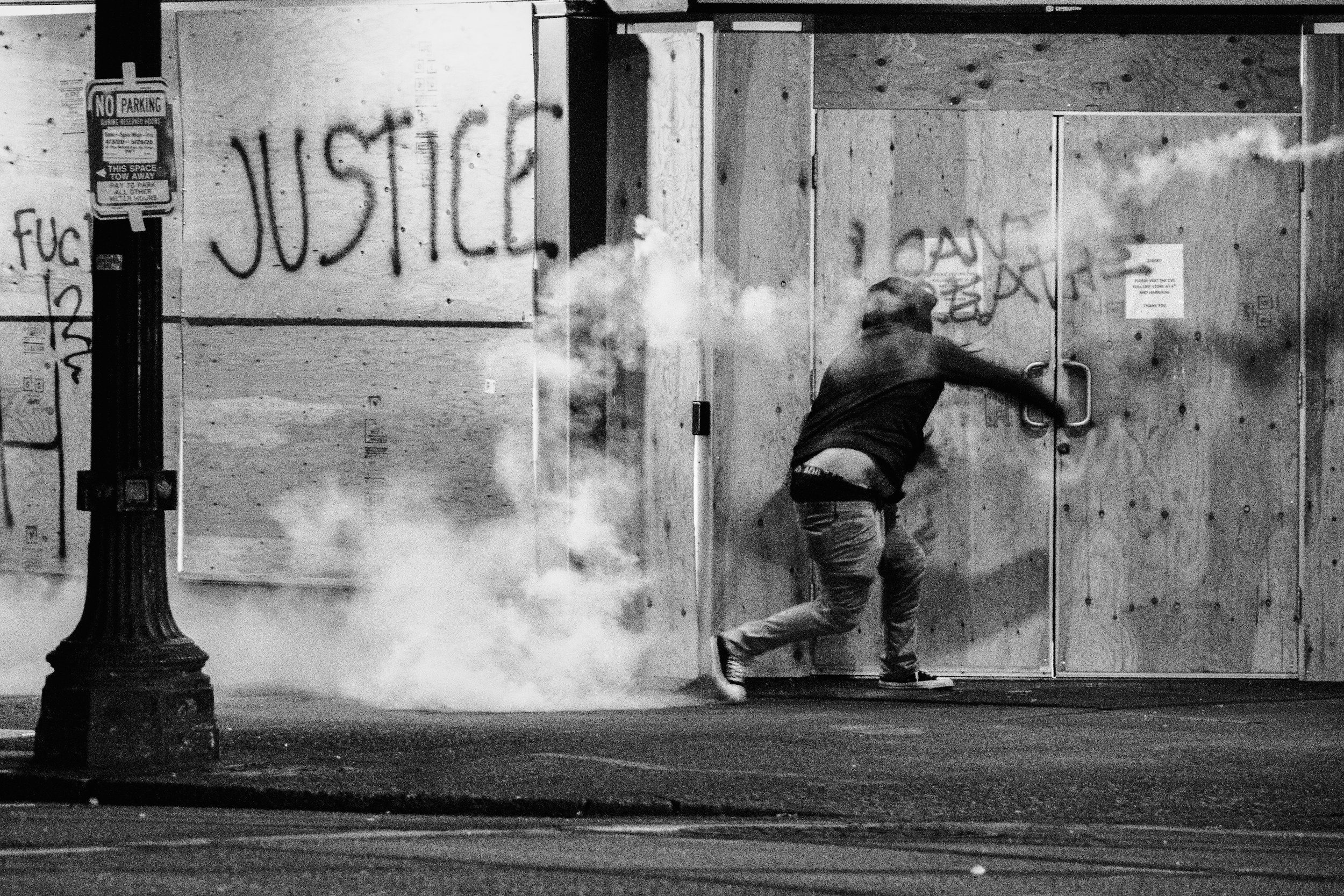
We were not meant to live like this.
Scrolling distorted reflections, contorting our identities to make content, living on a diet of rage bait, waiting… and waiting… for the forewarned apocalypses…
Void Society is a refusal to accept the alienation of late-stage capitalism and an opportunity to inject self-awareness and substance into how desperately we exchange currency for identity.
Void society is a space for the algorithmically rejected. The real artists and thinkers who can see past the banality of ChatGPT blogs and scripts. The people who feel their brain itch as they look for human answers and only find digital diatribes.
We live in an age where everything is flattened. Rage becomes engagement. Illness becomes aesthetic. Politics dictates the news cycles. Even existential dread is merchandised in soft pastel slogans.
Void Society exists to dissect digital culture without becoming swallowed by it.
To examine internet behaviour without posturing ourselves above it.
To admit we are complicit, exhausted, overstimulated, self-aware and still somehow surprised.
The evidence here will prove that modern alienation is not an accident. We are told to build personal brands while our actual selves fragment. We are told to monetise hobbies while joy quietly evaporates. We are told that visibility equals value.
Meanwhile, rent rises. Attention spans collapse. Art becomes “content”.
Void Society documents those widening fault lines.
My cultural criticism is not detached academia. It is lived analysis. It is philosophy dragged into modernity. It is existential thought that exists in a loop in my mind 24/7 scribbled in my Notes app at 2am. It is asking what it means to curate an identity when the world itself feels artificially staged.
This is philosophy in everyday life. The kind that happens while repotting a plant that may or may not survive. The kind that happens while admiring a vintage jacket online and knowing that nostalgia sells better than hope, wishing we could stay suspended in the bygone.
Void Society will not romanticise consumerism, but it will interrogate it and endorse self-aware dopamine splurges. Because why not buy trinkets and accessories like the world is ending?
This space stands at the cross-section of existential analysis and aesthetic choice. Of philosophy and pop culture, looking through a lens and seeing how we’re all made by design.
Neurodivergent cultural commentary belongs here too, for those who feel slightly misaligned often see the fractures first and feel cursed by their hyper-awareness.
There will be essays on digital burnout and the fetishisation of neurodivergence. On algorithmic morality. On why “aesthetic” has replaced “meaning”. On the quiet grief of watching independent culture absorbed into marketable micro-trends that will end up in landfill as soon as the next one comes around.
There will be moments of humour, because absurdity is everywhere.
This manifesto is not a promise of solutions. It is a commitment to observation. To document the emotional texture of modern life without smoothing it into something palatable.
The void is the space between narratives. The pause before reinvention. The gap where something unsellable can still exist.
It will critique digital culture while using digital platforms.
Void Society is for the overstimulated thinker.
For the thrift-shop philosopher.
For the culturally fatigued but still curious.
For those who feel the weight of modern alienation and refuse to numb it.
It is a place where cultural commentary meets existential honesty. Where pop culture is dissected without (or with) contempt. Where identity is explored without being flattened into slogans.
It is a digital manifesto for those who suspect that something is broken, but still believe something human can be built from the bones of the reality we once knew.
Void Society is an assurance.
That we’re not meant to live like this.
But since we do, we might as well examine it properly.
