Before the dopamine hit: what self-care meant before capitalism
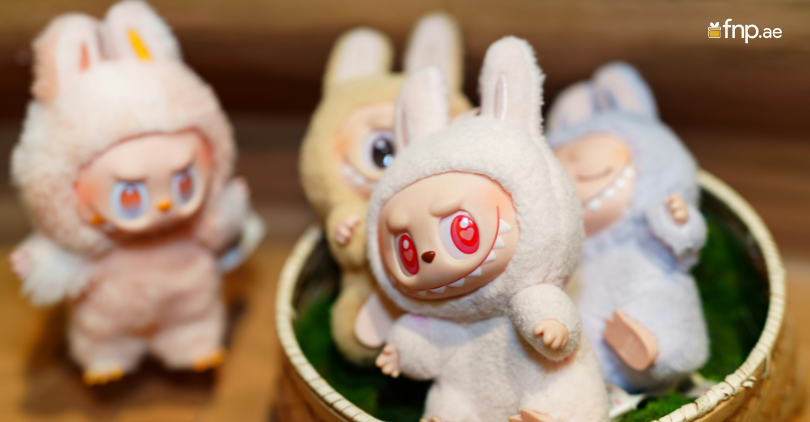
Self-care existed long before capitalism learned how to bottle it, price it, and sell it back to us at whatever our stress levels will tolerate. Yet the common cultural imagination struggles to picture it as anything other than a bank balance hit as we drift towards that new thing that promises to fix your nervous system, a £20 face mask made in the same factory as a £2 one or a house plant that will wilt under the kitchen window because its job was never really to survive. It was there to placate you for about five minutes.
If I’m sad in the supermarket (no, sadly that’s not a Morrissey song), it’s almost a guarantee I’ll walk out with a new plant or something sugar-loaded enough to count as a bodily assault. Momentarily, I’ll trick my brain into believing I’ve done something to nourish my jaded, shrapnel-pierced soul, but we all know that it’s a scratch on the existential, permanently exhausted surface.
So what did self-care actually look like before capitalism, or at least before capitalism became a personality trait?
Was it something people needed as often as we need it now, or have we engineered such intense pressure in our daily lives that a small treat has become the only salve available to us?
Somewhere between the little treat culture, the lipstick effect, the memeification of impulse buys, and Temu arriving as a conduit of instant gratification, we have replaced genuine rest with gestures of consumption, raising the bigger question: Is the hopelessness that drives these purchases a reflection of reality, or is it a cultural narrative doing far more harm than good?
Self-care before capitalism: survival, community, and the absence of the basket impulse-buy
Long before consumerism entered the bloodstream of the cultural zeitgeist, self-care was defined by necessity. It was the simple act of preserving oneself enough to keep going. Boring in comparison to today’s ‘self-love’ trends, but infinitely more efficacious; it was embedded in community, interlinked with ritual, and inseparable from the natural rhythm of life, which we’ve adapted to work against for the sake of productivity and posterity.
Now, we’re all with guilt when we rest; so, we pick up a £6 Starbucks and pretend that’s self-care instead of just slowing down. Or we see food as a reward, rather than what it was, and still is… something to keep us alive.
There is a poetic simplicity to the earlier ethos of self-preservation, hence the recent glamourisation of slow living, but romanticising the lives of people who existed before commodified self-soothing isn’t the way forward either – we all know nostalgia for an era we didn’t live in is just another excuse to pay the price of surrounding ourselves with replicated ephemera (this is your sign not to buy an iPod from 2006).
We just need to acknowledge that self-care is an activity (or refusal of), not an acquisition. If anything, traditional self-care had more in common with our modern idea of a boundary than a treat. It was about protecting labour, securing shelter, and maintaining small circles of meaning.
What has shifted is the emotional architecture around the self. We constantly work, hustle, juggle, strategise, and optimise. No one is built for the pace we force ourselves to match – regardless of what productivity-obsessed bros on YouTube would have you believe for long enough to buy their latest online course.
We’ve allowed capitalism to monetise the fracture points and make the exhaustion it necessitates to survive profitable.
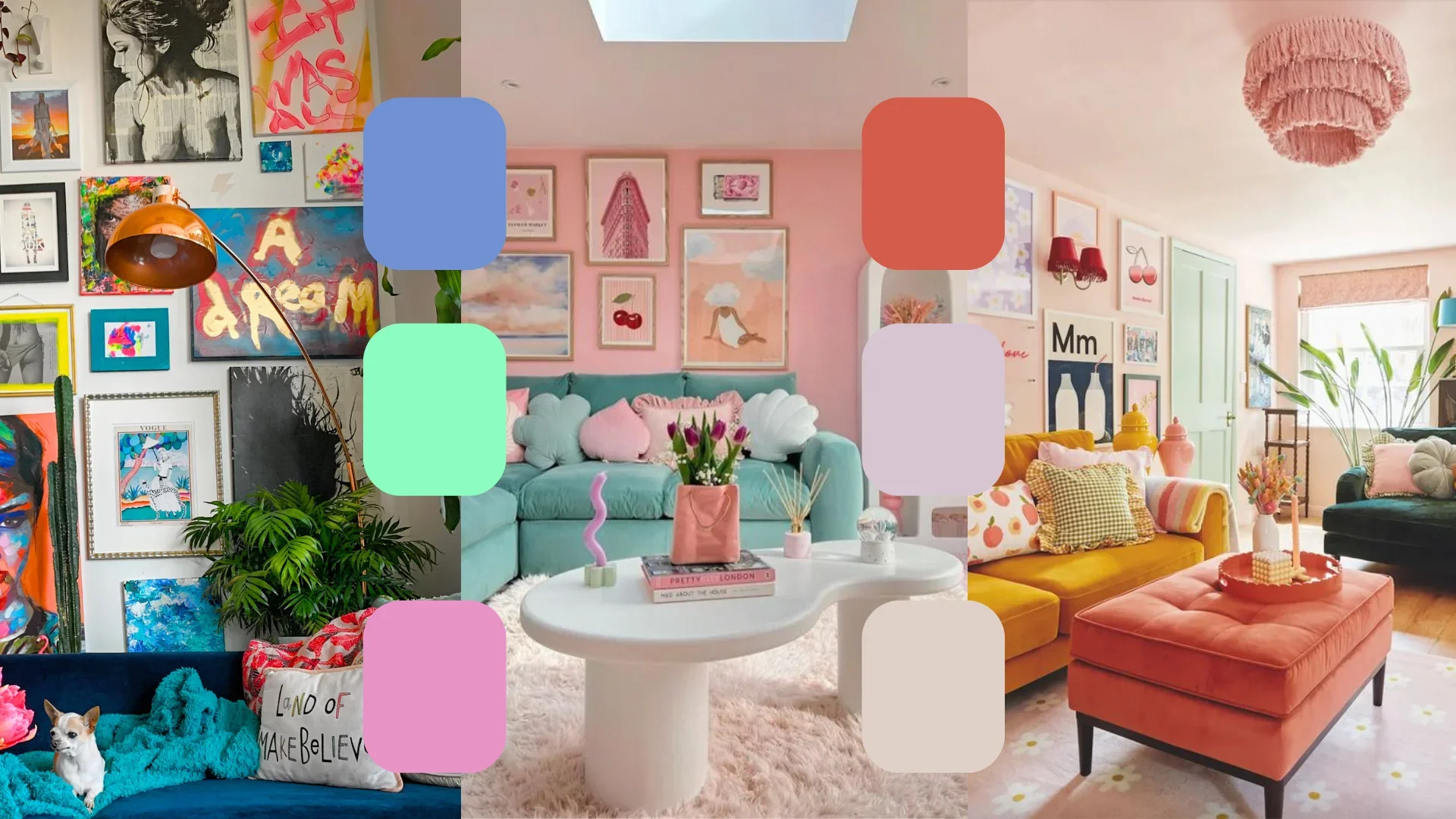
Little treat culture: the secular rosary of modern coping
Little treat culture is the soft-centred hatch through which many Millennials and Gen Z escape. It is framed as harmless, and sometimes it genuinely is. Life is hard enough without denying yourself the overpriced croissant or the unnecessary sticker. Yet little treat culture has evolved into an emotional ritual that masks itself as harmless rebellion.
The act of denying yourself the treat feels like an act of violence against your own wellbeing. Buying the treat feels like the perfect way to override the stress that has been creeping up your spine all day. These small purchases work as a miniature affirmation. And because they are framed as miniature, the cumulative cost disappears beneath the warmth of the hit.
This is exactly where capitalism wins. It rewards us for impulse and instant gratification. It sets the stage for us to equate spending with healing. It gave us Klarna and credit cards to pay for what we can’t afford. Little treat culture partners seamlessly with the modern economy. When the milestones are out of reach, and the prospect of owning your own home feels as likely as winning the lottery, the quickest route to a sense of agency is Amazon next day delivery.
What makes the whole thing even more surreal is that the irresponsibility of dopamine shopping has become a meme. The act of joking about it has been commodified into tote bags, t-shirts, stickers, and enamel pins that read “I need a little treat or I’ll die”, or something along those lines. It is post-modern consumerism at its purest. You can buy an identity that mocks itself while reinforcing itself.
The lipstick effect and the vanishing ladder of adulthood
There is a long-standing theory called the lipstick effect. It describes the way people buy small luxury items during economic downturns because the larger purchases are impossible or irresponsible. Today, most Millennials and Gen Z are living inside a permanent version of it, or have never known anything other than it.
Buying a home feels unattainable when wages have flatlined, housing prices have accelerated, and savings get punished by benefits systems that treat self-preservation as suspicious behaviour. It is no wonder that smaller purchases have swollen in emotional significance. They stand in for the feeling of forward motion; proof that you have some control, even if the control is shaped by a checkout button.
Hopelessness is a strange currency in our generation. It gets shared, repeated, joked about, and internalised. It feels like realism, but sometimes it becomes self-fulfilling. Seeing that others feel the same despair can be comforting, but it also traps people in the belief that there is no point in trying to reach the traditional milestones. It feeds the argument that if the system failed you, you may as well enjoy the scraps. Yet the rhetoric of hopelessness is sometimes more damaging than the reality. There are real barriers, there are real impossibilities, but there is also a narrative that keeps people still.
Little treats become coping mechanisms for futures that feel postponed indefinitely. They become symbolic replacements for stability.
The Temu and Shein effect: when gratification becomes frictionless
When you can buy an enamel pin for 50p, the threshold between desire and acquisition collapses. Frictionless purchasing is the dream of every retailer and the quiet enemy of every human nervous system.
Cheapness flattens consequence. It makes the treat feel morally neutral. The dopamine hit becomes almost industrial in its predictability. For the price of a single coffee, you can fill a basket with trinkets that will arrive in a bag that rustles like foil and smells like factory floors.
What you buy won’t outlast the emotional satisfaction of buying them for long, allowing whatever you buy to fall into the rhythm of endless consumption, which looks numb on the surface but is underpinned by restlessness. The treat becomes less about pleasure and more about momentary interruption of stress.
When gratification is this easy, self-care becomes indistinguishable from stimulus seeking.

Conclusion: reclaiming the self without the basket
The hardest thing about unlearning capitalist self-care is that the emotional attachments to ‘little treats’ are genuine. The ritual of them can leave you under the illusion of self-care; they can act as proof that you have not abandoned yourself. Yet somewhere in the process of survival, we have let self-care become a financial gesture rather than an actual practice.
Traditional self-care was not perfect, but it was grounded in reality, not within a cage of late-stage capitalism. To return to something closer to that is not about asceticism – you don’t have to head to Tibet to don orange robes, you just need to address your overdependence on dopamine.
You need rest, community, meaning, slowness, unmonetised pleasure, boundaries, and the resilience to refuse the narratives that tell us the only way to feel better is to part with the money you’ve worked yourself in the ground for.
